


The Allure of Risk and Reward
The thrill of taking risks is a fundamental component of casino gaming, drawing players into an environment where the potential for large rewards is always tantalizingly close. This complex relationship between risk and reward can create a psychological high similar to what one might experience in other forms of gambling or even extreme sports. The unpredictability inherent in games of chance, such as slots or roulette, amplifies this allure, as every spin or card flip carries the potential for life-changing payouts, triggering a rush of adrenaline, especially when considering options like neosurf casino instant withdrawal australia that enhance the experience.
Moreover, the psychology of casino gaming is often enhanced by the environment itself. Bright lights, upbeat music, and the sounds of winning chips create an exhilarating atmosphere that encourages players to gamble more freely. Casinos are designed to keep players engaged, using colors and sounds that elicit excitement and keep the mind focused on potential victories. This sensory overload not only heightens emotions but also affects decision-making processes, often leading players to take greater risks than they typically would in a more subdued setting.
Players may also be drawn to the social aspect of gambling, where the risks and rewards are shared among friends or strangers. This communal experience can create a sense of belonging and camaraderie, further reinforcing the psychological pull of casino gaming. Gamblers often recount the thrill of celebrating a win with fellow players, which can bolster their desire to continue playing. This blend of social interaction and the promise of financial gain forms a powerful motivator, driving individuals to engage repeatedly in casino games.
The Role of Cognitive Biases
Cognitive biases play a significant role in how players perceive their chances of winning in a casino environment. One common bias is the illusion of control, where gamblers believe they can influence the outcome of games that are purely random. This belief can lead players to make irrational bets or engage in strategies that have no bearing on their success, such as thinking that a specific slot machine is “due” for a payout after a series of losses. Such biases distort their understanding of probability and can lead them to gamble beyond their means.
Another prevalent cognitive bias is the gambler’s fallacy, which occurs when players incorrectly believe that past events affect future outcomes. For instance, if a roulette wheel has landed on black several times in a row, a player may wrongly assume that red is now more likely to appear. This fallacy can lead to reckless betting behaviors, as gamblers chase perceived patterns rather than acknowledge the truly random nature of the games. Awareness of these biases can empower players to make more informed choices, yet the allure of potential winnings can often overpower rational thought.

The availability heuristic also contributes to skewed perceptions in gambling. When players hear about a friend’s big win or see someone hitting a jackpot, those stories become more prominent in their memory than the countless losses experienced by others. This selective recollection can create a false sense of security and drive individuals to believe that they too can achieve similar success. Such psychological phenomena illustrate how casinos exploit human cognition, creating an environment where players are continually lured back for another chance at winning.
The Impact of Emotions on Decision-Making
Emotions play a critical role in the decision-making process during casino gaming, significantly influencing the choices and behaviors of players. Positive emotions, such as excitement and joy, can lead to increased gambling activity as players chase the euphoric feelings associated with winning. The dopamine release triggered by these emotional highs reinforces the desire to play more, often leading to a cycle where players become caught up in the game. This emotional investment can cloud judgment, resulting in decisions that are primarily driven by feelings rather than rational evaluations of risk.
Conversely, negative emotions like stress and frustration can also lead players to gamble. In an attempt to escape from their problems or boost their mood, individuals may turn to casino gaming as a coping mechanism. This behavior can be particularly dangerous, as it may prompt players to take greater risks or chase losses in a desperate attempt to regain control. Understanding the emotional drivers behind gambling behavior is crucial for recognizing patterns that may lead to problem gambling and helping individuals make healthier choices.
Moreover, the cyclical nature of emotions in gambling can create a feedback loop. A player who wins might feel invincible, leading to further bets and larger stakes. On the other hand, a losing streak may evoke feelings of hopelessness, prompting the player to engage in riskier behaviors to recover losses. This complex interplay of emotion and gambling creates a challenging dynamic that can entrap players, highlighting the importance of emotional regulation and awareness in making more informed gaming decisions.
The Influence of Environment and Design
The physical design of casinos is meticulously crafted to enhance the psychological experience of gambling. From the moment players step inside, they encounter an environment that is intentionally designed to maximize engagement and encourage prolonged play. Dim lighting, vibrant colors, and the absence of clocks all contribute to a sense of timelessness that keeps players focused on the games rather than the passage of time. This strategic manipulation of the environment is key to maintaining a thrilling atmosphere that continuously draws players in.
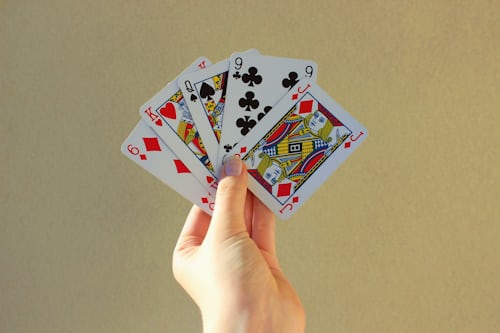
Additionally, the layout of gaming floors is optimized to create a sense of excitement and exploration. Casinos often feature winding paths that encourage players to move from one area to another, encountering new games and experiences along the way. This deliberate design not only ensures players are exposed to as many gaming options as possible but also fosters a sense of adventure that can be psychologically addictive. By making the environment feel like a playground for adults, casinos capitalize on the thrill of discovery and the excitement of chance.
Furthermore, the use of rewards and loyalty programs enhances the experience of casino gaming by tapping into players’ psychological desire for recognition and validation. These programs often promise bonuses, free play, or exclusive access to events, further incentivizing players to return. The anticipation of rewards can create a sense of loyalty to the casino brand, further deepening the psychological connection between players and the environment. The more a player engages, the stronger the ties become, revealing how design and environment work in tandem to reinforce the allure of casino gaming.
Your Path to Understanding Casino Gaming Psychology
For those eager to delve deeper into the fascinating interplay of psychology and casino gaming, insights and resources are readily available. Exploring this complex world can provide valuable knowledge on decision-making, emotional influences, and cognitive biases that shape the gambling experience. Understanding these psychological elements not only enhances the enjoyment of casino games but also empowers individuals to gamble responsibly and make informed choices.
Engaging with articles, studies, and expert insights about casino gaming can cultivate a well-rounded perspective on the motivations behind gambling behavior. Whether you’re a casual player or someone considering a deeper exploration of the field, acknowledging the psychological aspects can enrich your understanding. Knowledge is power, especially in an environment where emotional and cognitive factors can dominate decision-making.
By exploring the psychology behind casino gaming, players can gain awareness of their own behaviors and motivations. This understanding allows for a more balanced approach to gaming, fostering enjoyment while minimizing the risk of developing harmful gambling habits. Ultimately, informed players are better equipped to navigate the alluring world of casino gaming while maintaining a healthy perspective on risk and reward.

